


 1. Electronics Wiki
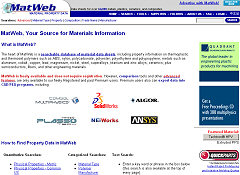 2. Online Database for Materials
There may come a time when, for whatever reason, you need to read up on material properties. Forget slogging through binders of material data sheets: now you can access this information using MatWeb, an online searchable database. You can search for a particular material or material type, polymer manufacturer or trade name, physical properties, alloy composition, or metal UNS number. The basic search capabilities are free. Should you wish to do a more advanced parametric search, perform a side-by-side material comparison, or download data you need to pay.
 3. Cartoon Chickens
In 2005, Doug Savage put pen to sticky note and created Savage Chickens. Every day he draws a new chicken-based cartoon and posts it to the site. Topics range from pop culture, through human nature, to corporate tiresomeness. If you find yourself in need of a mood lift, or you're in the mood for something quirky yet funny, go read.
New to Bookshelves
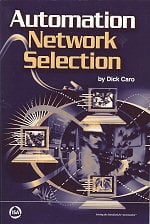 Automation Network Selection
Author: Dick Caro
Publisher: ISA
ISBN: 1-55617-861-1
Page count: 161
This slim volume is designed to help you choose the best automation network for your particular application and, since the author has done extensive work with ISA's Fieldbus communications standards committee, he knows whereof he speaks.
The book is divided into six sections. The first two discuss why there are so many networks to choose from and how to use the book. Next comes an introduction to industrial networks followed by network applications and network technology. The last section is devoted to the answers of the review questions.
The book concentrates on open or standard networks and explains the general characteristics and component elements of various types of industrial networks (sensor, fieldbus, control as well as safety buses). It also explains what each network can (and cannot) do. Scattered throughout the text are tables listing pros and cons, selected specifications, and comparisons as well as application diagrams showing what's involved in implementing, for example, an elevator control system.
This book isn't intended to act as the ultimate network reference. Rather, its purpose is to help you make smart choices. If you're not sure which network to use, or are unclear on the differences and similarities between various automation networks, this is a great place to start. At 161 pages it's handy, portable, and a quick read.